 Chairs & Seating


 Filing & Storage


 Furniture Ranges


 Screens & Partitions


 Office Accessories




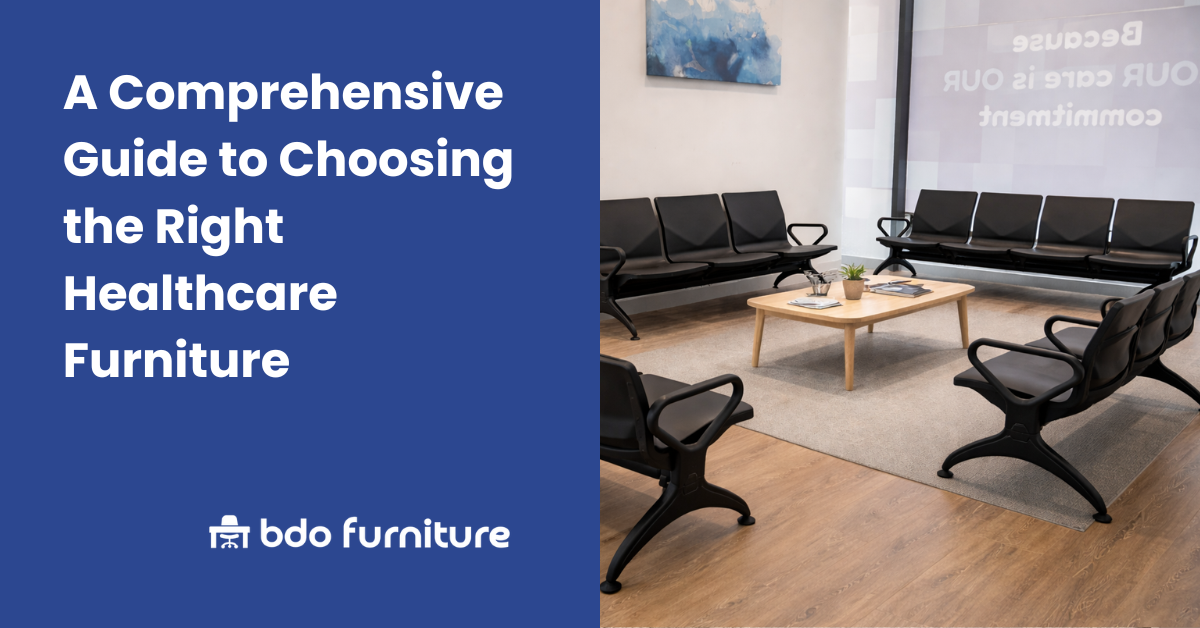
Now more than ever, Australian healthcare facilities are placing increasing emphasis on patient care and comfort, with premium healthcare furniture playing a vital role for both patients and staff. In this extensive guide, we explore important features, safety standards, and material choices essential for commercial healthcare furniture to comply with stringent hygiene requirements, durability, and quality care.
Understanding Healthcare Furniture Categories & Their Functions
Healthcare facilities require commercial healthcare furniture that’s designed to meet the specific demands of each zone. In patient rooms, comfort, hygiene, and safety are a priority. As such, commercial healthcare furniture should support the patient’s recovery while being easy to clean and compliant with health safety standards:
- Functional, ergonomic furniture that accommodates efficiency, mobility, and infection control is critical for treatment zones.
- Waiting areas need durable, comfortable seating that can withstand high foot traffic and create a welcoming atmosphere.
- Administrative areas require professional, ergonomic furniture pieces to enhance productivity and organisation.
Each space plays a vital role and deserves furniture tailored to its unique purpose.
Australian Compliance & Safety Standards You Must Meet
Healthcare furniture must meet strict AS/NZS and ISO standards to ensure safety, hygiene, and long-term performance in clinical environments. These regulations address electrical and safety compliance and ensure quality management systems for medical-grade products.
Additionally, the Therapeutic Goods Administration (TGA) regulates certain healthcare furniture classifications for the prevention of infectious disease and patient safety. Furniture compliant with these standards reduces risk, supports infection prevention, and demonstrates due diligence in risk management. Plus, it brings peace of mind knowing these products are tested, built for demanding medical settings, and backed by warranty assurance.
Materials for Infection Control & Cleanability
Furniture in healthcare facilities must prioritise patient safety and hygiene to support optimal care. Materials with built-in antimicrobial properties, such as antimicrobial laminates and vinyls, actively contribute to infection control, reducing the presence of harmful germs on surfaces. These provide durable, bacteria-resistant finishes ideal for high-traffic areas like chairs, tables, and worktops. Powder-coated metal frames resist corrosion and often include antimicrobial finishes for added protection.
To prevent liquid absorption, fluid-barrier upholstery is a must-have feature for fabric furniture, safeguarding both fabric and internal structures while supporting efficient cleaning protocols. Additionally, seamless, sealed edges help eliminate crevices where dirt and bacteria can accumulate, enhancing overall hygiene.
Antimicrobial Surfaces & Coatings
Silver has long been recognised for its ability to suppress and eliminate a broad range of harmful microbes. Independent lab testing confirms that silver-ion technology is highly effective against many bacteria, yeast, fungi, and mould by disrupting microbial cell function. Similarly, copper offers powerful natural antimicrobial properties, often delivering faster protection. When embedded into laminates, vinyls, and coatings, these technologies provide continuous, long-lasting surface protection.
To maintain effectiveness, regular cleaning with non-abrasive, pH-neutral solutions is recommended. Avoid harsh chemicals as they can degrade surface integrity over time and, as such, reduce the antimicrobial performance of these advanced materials.
Seamless Upholstery & Fluid Barriers
To maintain hygiene safety and extend the lifespan of furniture in high-traffic healthcare environments, seamless upholstery and fluid barriers are essential.
- Welded seams eliminate stitching and gaps where moisture, bacteria, and debris can collect, creating a smooth, sealed surface that’s easy to disinfect.
- Moisture-lock fabrics prevent liquids from penetrating the upholstery, protecting the inner foam and structure from contamination and damage while allowing quick, hassle-free cleaning.
Combined with easy-wipe designs, these features simplify maintenance routines and support infection control, delivering long-lasting protection, reducing cross-contamination risks, and meeting the rigorous demands of modern healthcare settings.
Ergonomics & Patient Comfort for Diverse Users
Commercial healthcare furniture must prioritise patient care and safety, supporting comfort, mobility, and recovery outcomes. Seating should allow patients to rest their feet flat on the floor, reducing strain on hips and knees. Contoured seats and padded backrests provide essential lumbar support, encouraging healthy posture and minimising lower back fatigue during extended use. Furthermore, proper recline angles encourage relaxation without compromising respiratory function or caregiver access. Of course, all features must comply with commercial healthcare standards for stability, weight capacity, and infection control.
Bariatric & Accessible Solutions
Bariatric and accessible furniture solutions are necessary to create inclusive, safe, and compliant healthcare environments. Designed to withstand higher weight ratings, bariatric chairs typically feature reinforced frames and wider seat pans to enhance comfort and dignity.
These furniture pieces must comply with Disability Discrimination Act (DDA) accessibility guidelines, ensuring appropriate seat heights, armrests, and wheelchair-friendly spacing. Providing bariatric and accessible furniture for healthcare facilities demonstrates a commitment to equitable care, reduces the risk of injury for patients and staff, and supports in meeting both clinical demands and legal accessibility standards.
Durability & Maintenance: Calculating Total Cost of Ownership
When investing in furniture for healthcare facilities, durability and ease of maintenance are key to managing long-term costs. Top-quality pieces may carry a higher upfront cost, but they often come with extended warranties and longer lifespan projections under frequent use. In contrast, lower-grade options may need regular replacement, cumulating the total cost.
Considering replacement cycles, downtime, and maintenance, the overall expenditure of ownership often favours premium products thanks to their durability, easy-to-clean finishes, and stringent hygiene standard compliance.
Sustainability & Environmental Certifications
Sustainability is a growing priority in healthcare, and choosing eco-friendly furniture supports environmental responsibility, patient well-being, and community trust. GECA-certified products meet high standards for safety, ethics, and environmental impact, while furniture crafted with FSC-certified timber guarantees responsible sourcing of wood.
Additionally, low-VOC finishes improve air quality, creating healthier spaces for patients and staff. Beyond regulatory compliance, sustainable healthcare furniture strengthens a facility’s public image, demonstrating leadership in environmental stewardship. This appeals to eco-conscious people, enhancing trust and aligning with green building goals. As a result, healthcare providers may reduce their environmental impact while establishing a safer, cleaner, and innovative care environment.
Shop for Healthcare Furniture Online
Investing in high-quality commercial healthcare furniture delivers long-term value by meeting strict hygiene standards, ensuring ergonomic support, and reducing maintenance times. Many furniture options also incorporate sustainable materials, aligning with today’s environmental goals and regulations.
Our extensive range of premium healthcare furniture combines quality, affordability, and stylish functionality with exquisite protection against germs and wear.